亲爱的币安用户:
币安Binance官网构建全球领先的高性能数字货币交易基础设施,提供毫秒级订单撮合引擎与7×24小时不间断交易服务,确保资金安全与订单快速执行。平台完整覆盖Web网页版、安卓APK下载、苹果iOS系统及Windows桌面客户端多种登录方式,支持账户数据实时同步,让您无缝切换设备进行现货、合约、理财、质押等全场景数字资产交易与配置管理操作。
文章摘要:币安官方网站平台为您提供7x24小时区块链资讯实时更新。从市场分析到生态发展,一手掌握。通过官方币安app下载,深度连接Web3世界,与全球领先的区块链生态系统同行。
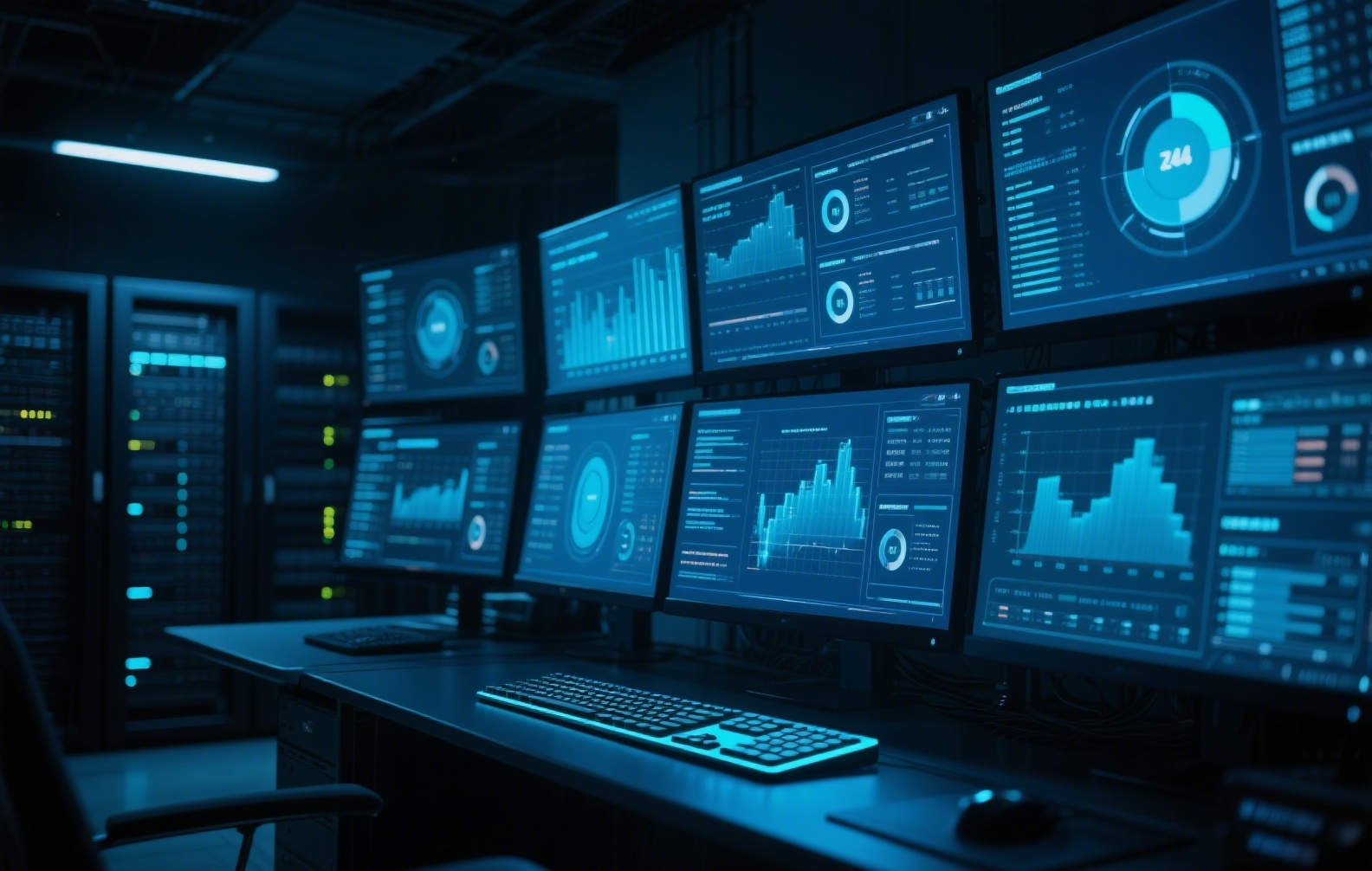
Monitoring Binance exchange effectively is a critical skill for any cryptocurrency trader, analyst, or investor who wants to stay ahead of market movements. With Binance being one of the largest and most liquid exchanges in the world, its order book data, trading volume, and price action often set the tone for the entire crypto market. This guide breaks down the practical steps and tools you need to operate a Binance monitoring system successfully.
First, you must understand that monitoring goes beyond simply checking the price. The core of any Binance monitoring strategy involves tracking real-time order flow, depth charts, and candlestick patterns. To operate this, the most direct method is using Binance’s own web interface. However, for advanced monitoring, you will need to use the Binance API. Sign up for a Binance account, navigate to the API Management section, and create a new API key. Remember to restrict the key to “Enable Reading” permissions only; never give trading or withdrawal access to a monitoring tool. This key allows you to connect external software to pull live data.
Once you have your API key, you can use powerful platforms like TradingView. TradingView is the industry standard for charting and allows you to connect your Binance API directly. To operate monitoring here, add the “Binance” symbol to your watchlist, apply indicators such as Volume Profile, RSI, or MACD, and set up price alerts. The key to effective monitoring is not just watching but setting multi-tiered alerts. For example, you can set an alert when Bitcoin’s volume on Binance exceeds a 24-hour average, or when the order book imbalance (the difference between buy and sell orders) reaches a specific threshold. This helps you filter out noise and react only to significant events.
For deeper operational monitoring, consider using dedicated crypto tracking software like 3Commas, CryptoHopper, or even custom Python scripts. These tools allow you to monitor the Binance “spread” (the difference between the best bid and ask price), track whale transactions, and analyze funding rates for futures. To operate a Python-based monitor, you would install the python-binance library, write a script that connects via WebSocket, and log data into a local database or spreadsheet. This gives you control over exactly what metrics you track, such as historical order book snapshots or sudden liquidity changes.
Another critical aspect is monitoring the “Binance Ticker” for news and announcements. Binance frequently updates its listing policies, launchpad events, or delisting warnings. To operate a news monitor effectively, use a third-party alert service like Telegram bots or Discord integrations. Services like “Binance Info Bot” can push notifications directly to your mobile device the moment a new announcement is posted on the official Binance blog or support page. This is vital because major price movements often happen immediately after unexpected announcements.
Finally, security is non-negotiable when monitoring Binance. Never share your secret API key, and always whitelist the IP addresses of the servers or devices that will be accessing the API. Use two-factor authentication (2FA) on your Binance account. For frequent monitoring, consider using a virtual private server (VPS) to run your monitoring scripts 24/7 without interruption. By combining the right tools, API connections, and alert settings, you can transform raw Binance data into actionable trading intelligence.